Vernier vs Digital vs Dial Caliper: Which Caliper Is Best for Your Inspection Work?
Calipers remain one of the most widely used measuring tools in workshops, inspection rooms, maintenance teams, and industrial sourcing departments. They are fast, versatile, and practical for checking outside dimensions, inside dimensions, and depth. But buyers often face the same question before placing an order: should they choose a vernier caliper, a digital caliper, or a dial caliper?
Each type has real strengths. None of them is universally best for every user. The right answer depends on the measuring environment, operator preference, durability needs, and how easily readings must be shared or recorded.
This guide compares the three main caliper types and helps industrial buyers choose the best option for the job.
What a Vernier Caliper Offers
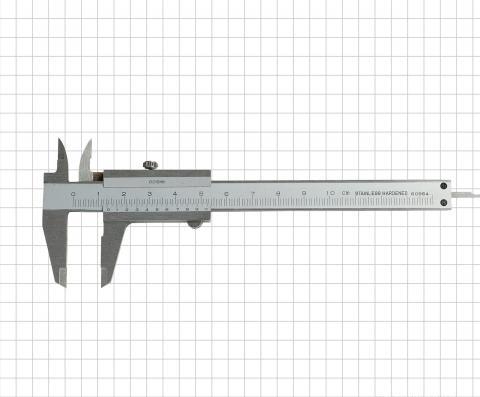
A vernier caliper uses a main scale and a vernier scale to determine the final reading. It is a classic mechanical design and remains popular because it is simple, battery-free, and reliable in many workshop conditions.
Key advantages of vernier calipers:
-
no battery required
-
stable in oily or wet environments
-
good for users trained in manual reading
-
often a cost-effective option
The main drawback is that the reading process takes more skill. Operators must understand least count, scale alignment, and proper reading technique. For teams that need a refresher, the existing article How to Read a Vernier Caliper is a natural supporting resource.
What a Digital Caliper Offers
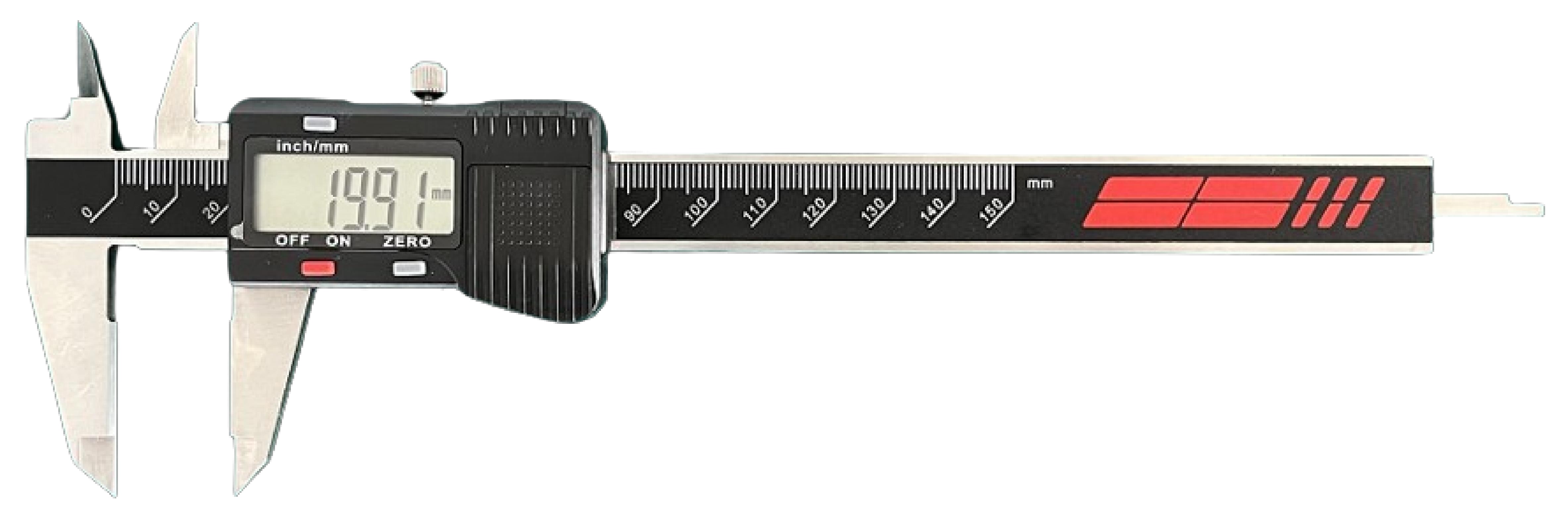
A digital caliper displays the measurement directly on an electronic screen. It is often the fastest option for day-to-day measurement and is especially useful when multiple operators need quick, easy-to-read results.
Key advantages of digital calipers:
-
fast reading
-
easier for newer operators
-
clear numeric display
-
useful for recording and transferring measurements
Some models also support data output, which is helpful in inspection workflows that need documentation or SPC collection.
The tradeoff is that digital calipers depend on batteries and can be more sensitive to poor handling or harsh electrical conditions if low-quality models are used.
What a Dial Caliper Offers
A dial caliper uses a mechanical dial display instead of a digital screen. It combines easier reading than a vernier scale with a fully mechanical structure that avoids battery dependence.
Key advantages of dial calipers:
-
easier reading than vernier for many users
-
no battery required
-
mechanical feel preferred by some inspectors
The main concern is that the dial mechanism can be more vulnerable to shock, dirt, or misuse compared with a basic vernier body.
Accuracy, Readability, and Durability
In practical purchasing discussions, these are usually the most important comparison points.
Readability
-
Digital calipers are usually the easiest to read.
-
Dial calipers are easier than vernier for many operators.
-
Vernier calipers require the most reading skill.
Durability
-
Vernier calipers are often favored for toughness and simplicity.
-
Dial calipers can perform well but need protection from impact and contamination.
-
Digital calipers work very efficiently, but electronics and batteries add maintenance considerations.
Training Requirement
-
Digital calipers are best for fast onboarding.
-
Dial calipers need moderate familiarity.
-
Vernier calipers require the strongest reading discipline.
Data Handling
-
Digital calipers are the best choice when measurement recording is important.
-
Vernier and dial calipers are better suited to manual recording workflows.
Which Caliper Fits Which Application
Choose a vernier caliper when:
-
you want a classic mechanical solution
-
battery-free use matters
-
operators are already comfortable reading vernier scales
-
the environment is rugged and simple reliability is preferred
Choose a digital caliper when:
-
easy reading is the top priority
-
multiple operators share the tool
-
digital output or faster recording matters
-
training time should be reduced
Choose a dial caliper when:
-
you want easier reading without batteries
-
operators prefer mechanical display feedback
-
the tool will be handled carefully in routine inspection work
What Buyers Should Check Before Ordering
Before choosing a caliper type, it helps to review the broader Caliper category and ask a few practical questions:
-
What measuring range is actually needed?
-
Will the tool be used on the shop floor or in a cleaner inspection area?
-
Do operators need fast, beginner-friendly reading?
-
Is data transfer important?
-
Is battery independence important?
These questions often matter more than brand preference alone.
Common Mistakes in Caliper Selection
Choosing only by price
The lowest price may not fit the reading speed, durability, or data needs of the job.
Ignoring operator skill level
A vernier caliper can be excellent, but only if the team is comfortable reading it correctly.
Buying digital calipers without considering battery management
If the tool is used in multiple stations, battery control becomes part of the workflow.
Assuming all calipers fit all environments equally
Some applications benefit more from electronic convenience, while others reward simple mechanical durability.
FAQ
Which caliper is easiest to read?
Digital calipers are generally the easiest because the reading appears directly on the display.
Which caliper is best if I do not want batteries?
Vernier and dial calipers are both battery-free options.
Is a digital caliper always better than a vernier caliper?
No. A digital caliper is easier to read, but a vernier caliper may be a better fit when rugged simplicity and battery-free operation matter more.
Conclusion
The best caliper is not the one with the newest display or the oldest tradition. It is the one that fits the actual inspection workflow. Vernier calipers offer durable simplicity, digital calipers offer speed and convenience, and dial calipers sit between the two for users who prefer a mechanical display.
For industrial buyers, a good selection process starts with the operator, the environment, and the reporting requirement. Once those factors are clear, choosing between vernier, digital, and dial calipers becomes much more straightforward.