V Block and Parallel Block Setup Guide for Machining and Inspection
Good machining and inspection results depend on more than the cutting tool or measuring instrument alone. Workholding and setup support play a major role in whether a part is positioned correctly, whether a measurement is repeatable, and whether the operator can work with confidence.
Two of the most practical setup tools in this area are the V block and the parallel block. They are simple in appearance, but they solve very different setup problems. V blocks are designed to support cylindrical workpieces, while parallel blocks support flat workpieces or create controlled spacing during machining and inspection.
This guide explains what each tool does, when to use it, and how to avoid common setup mistakes.
What a V Block Does
A V block is mainly used to support and locate round or cylindrical parts. The V-shaped groove helps center the workpiece and keep it stable during measurement or setup.
Typical uses include:
-
holding shafts for inspection
-
checking runout or concentricity setups
-
supporting cylindrical parts during marking or machining
-
improving repeatable positioning of round components
The current catalog includes products such as the Carbon Steel V Block Pair 75-250mm and the Magnetic V Block Pair 70-152mm, all grouped under Vee Blocks.
What a Parallel Block Does
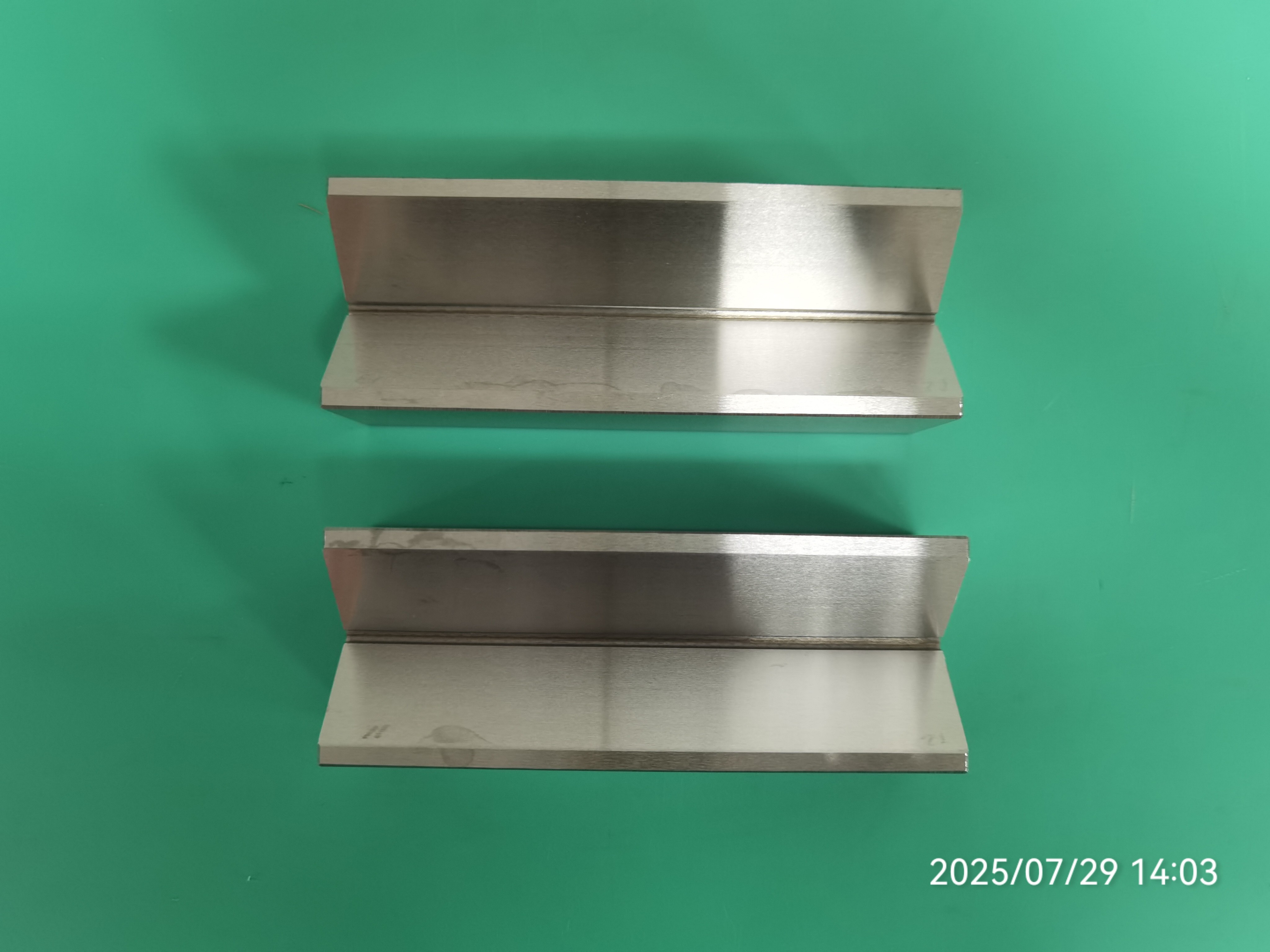
Parallel blocks, often supplied as a set, are used to support workpieces at a controlled height or to create stable, repeatable spacing in machining setups.
Typical uses include:
-
supporting parts in a vise
-
lifting workpieces off the machine table
-
improving access for cutting tools
-
keeping workpieces level and evenly supported
An example in the current catalog is the Parallel Block Set 125-150mm | DIN6346 Precision Parallel Blocks, listed under Steel Parallels.
When to Use a V Block
Use a V block when the workpiece is round and needs secure, centered support.
Typical examples:
-
measuring a shaft with an indicator
-
supporting a round part during layout work
-
positioning cylindrical stock for setup or inspection
Magnetic V blocks can be especially useful when added holding stability is needed in inspection or light setup tasks.
When to Use Parallel Blocks
Use parallel blocks when the workpiece has flat surfaces and needs even support, controlled elevation, or better access in a vise or on a setup plate.
Typical examples:
-
raising a part to clear the vise jaws
-
creating stable, equal support under a workpiece
-
improving repeatability during milling or inspection
Setup Tips for Better Results
Keep contact surfaces clean
Small chips, burrs, and dirt can quickly affect setup quality. The best precision support tools still need clean contact conditions.
Match the tool to the part shape
Use V blocks for cylindrical geometry and parallel blocks for flat support. Forcing one tool to do the other's job often reduces stability.
Use pairs correctly
Both V blocks and parallels are often used in matched pairs. Balanced support usually improves setup reliability.
Think about clamping force
Support tools do not replace correct clamping practice. Too much force can distort small parts, while too little force can reduce stability.
Common Mistakes to Avoid
Using V blocks on unsuitable geometry
If the part does not seat properly in the V groove, support quality will suffer.
Using unmatched or worn support pieces
Repeatability depends on consistency. Mixed or damaged setup tools can introduce unnecessary variation.
Ignoring height and tool access
Parallel blocks are often selected to improve tool access. If the height is wrong, the setup may still be inefficient or unsafe.
Assuming setup tools do not affect inspection accuracy
Poor support can distort readings, especially in comparative inspection or alignment work.
FAQ
What is a V block used for?
A V block is used to support and position cylindrical workpieces for machining setup, marking, or inspection.
What are parallel blocks used for?
Parallel blocks are used to support flat workpieces, create spacing, and improve setup stability in machining and inspection.
Can V blocks and parallel blocks be used together?
Yes. In some setups, a workshop may use both depending on the part geometry and the support strategy.
Conclusion
V blocks and parallel blocks are simple tools, but they make a major difference in setup quality. V blocks help stabilize cylindrical parts. Parallel blocks help create level, repeatable support for flat or prismatic workpieces.
For industrial users, the main rule is to choose the support method that matches the geometry and the operation. When setup tools are selected and used correctly, machining becomes more stable and inspection becomes more reliable.